
The Novel’s Publication Argument
The Bell JarThis flow traces the disagreement over whether The Bell Jar should be read as autobiography, artistic transformation, or a source of personal injury.
increasing Bearing strength in each event
 decreasing
Bearing strength in each eventdecreasingA Pen Name in Britain

Fiction at a Distance
Victoria Lucas
The Bell Jar is first published in Britain under the pseudonym Victoria Lucas. Sylvia Plath questions the novel’s literary seriousness and worries about recognizable people close to her.
Protection and unease
The pseudonym creates distance between author and narrator, but cannot fully separate the book from lived experience. That tension shapes later arguments about how to read it.
The Author’s Account

Distortion as Method
A stated intention
Plath says the book combines events from her life and fictionalizes them to show how isolation appears during a breakdown. The bell jar becomes a lens that distorts the surrounding world.
A claim for craft
This explanation presents the novel as shaped art rather than unedited confession. The narrator’s perspective may be grounded in experience while remaining a deliberate construction.
Aurelia’s Objection
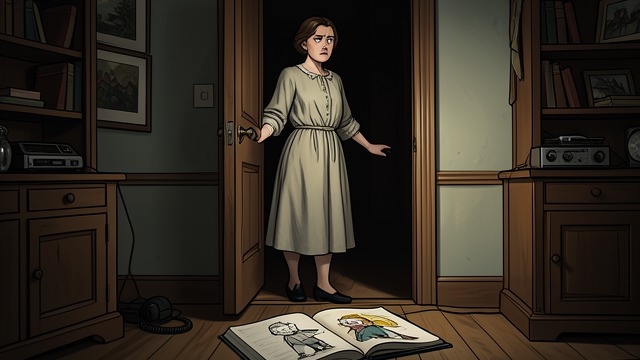
Fear of Personal Harm
A mother’s protest
Aurelia Plath warns the American publisher that publication will cause pain to people represented in the book. She recalls Sylvia calling the novel a potboiler and saying it should never appear in the United States.
The ethical question
Her objection treats the book’s caricatures as injuries to people who helped Sylvia. It places family loyalty in conflict with the novel’s independent public life.
The American Edition
A Wider Audience
Publication proceeds
The American edition appears despite Aurelia’s expressed concern about its consequences. Readers encounter Esther’s story as a novel, while biographical knowledge invites them to connect it to Plath.
Meaning multiplies
Publication expands the book’s readership and intensifies the question of how closely narrator and author should be identified. The text’s fictional form does not end the argument.
A Life Read Through Fiction
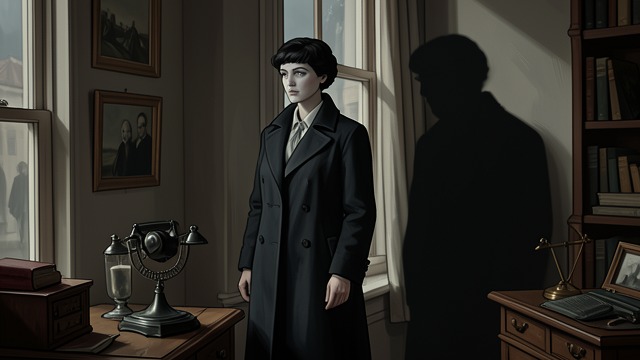
Biography Reframes the Novel
The final comparison
The biographical note places the novel’s ending beside the later death of its author. Esther’s fear that the bell jar could return acquires an additional, tragic resonance.
A warning against certainty
The parallel can deepen reading but cannot make fiction a direct prediction of a life. The novel remains both an artistic transformation and an account shaped by experiences its author survived for a time.
January 1963
in the months before the novel’s publication
1970, before the American edition
1971, when the novel is published in the United States
after Sylvia Plath’s death
